
Our Work in Burgundy
An international team reviving traditional winemaking in the birthplace of Chardonnay and Pinot Noir.
One barrel, and then seven climats.
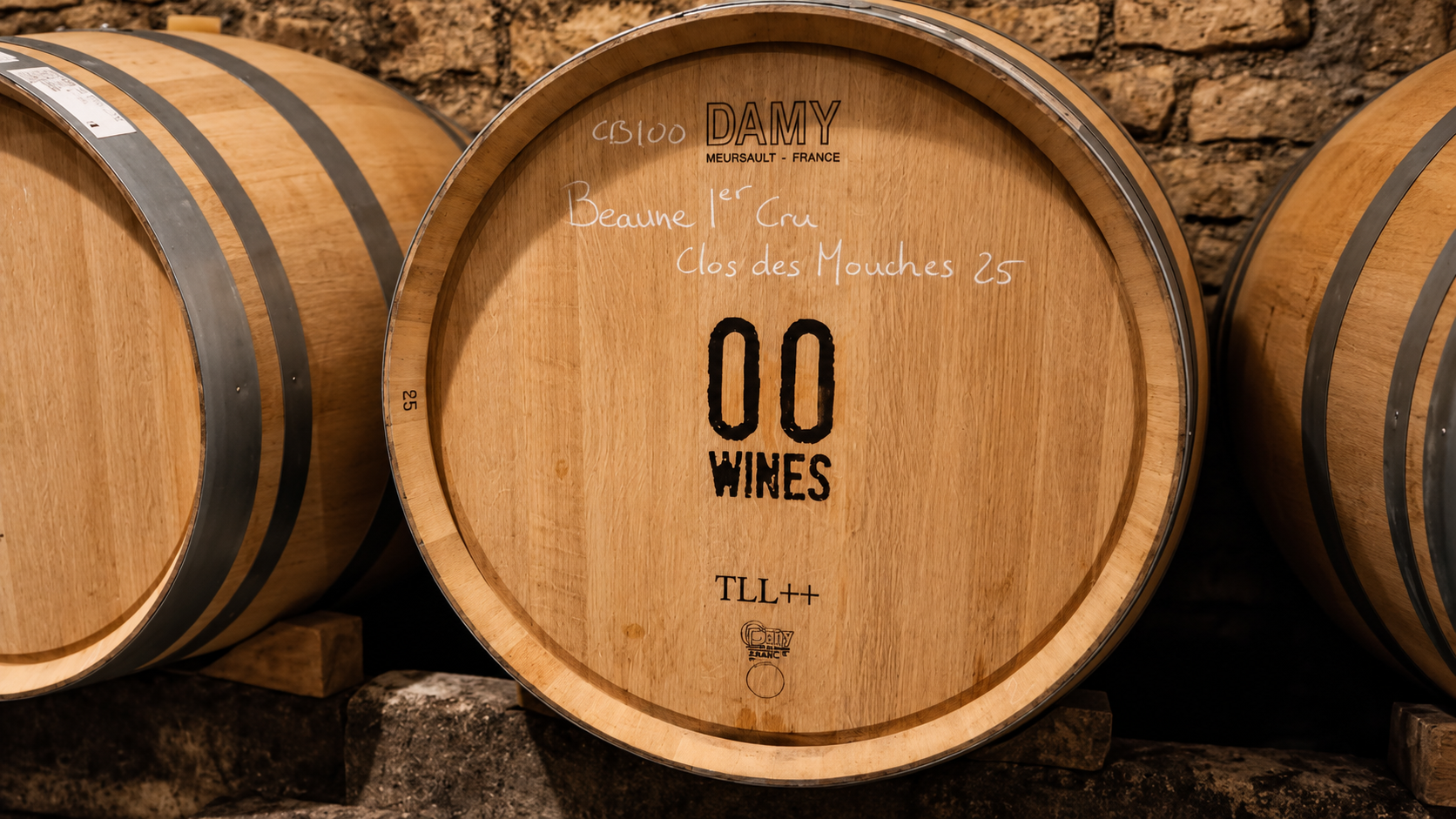
In 2017, 00 Wines founder and winemaker Chris Hermann set out to make a single barrel of Corton-Charlemagne. A few months later there was a barrel in the cellar.
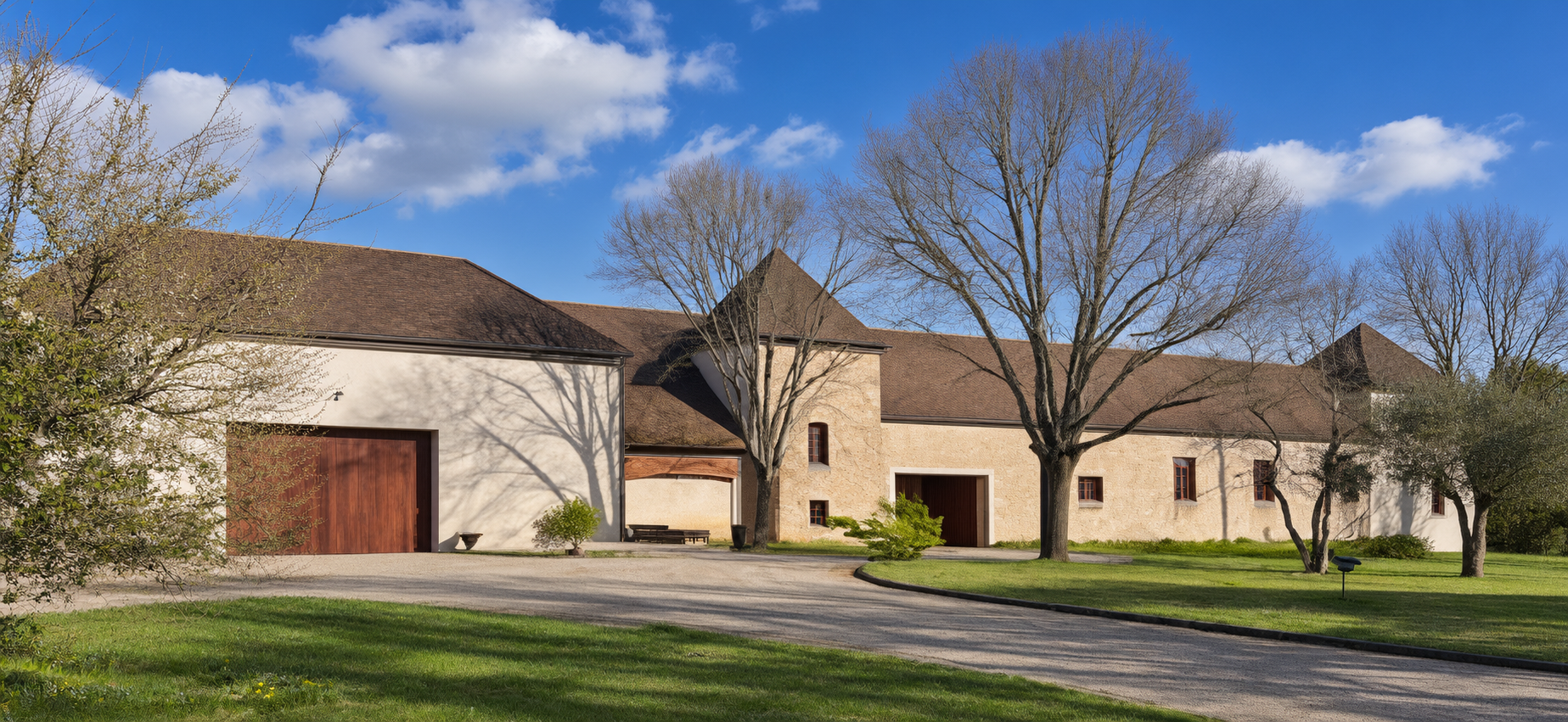
The range has grown since to seven climats across the Côte de Nuits and the Côte de Beaune, all of it made at the Château de Bligny-lès-Beaune alongside a small group of micro-négociants, among them our colleagues Guillaume Lafon and Pierre Meurgey.
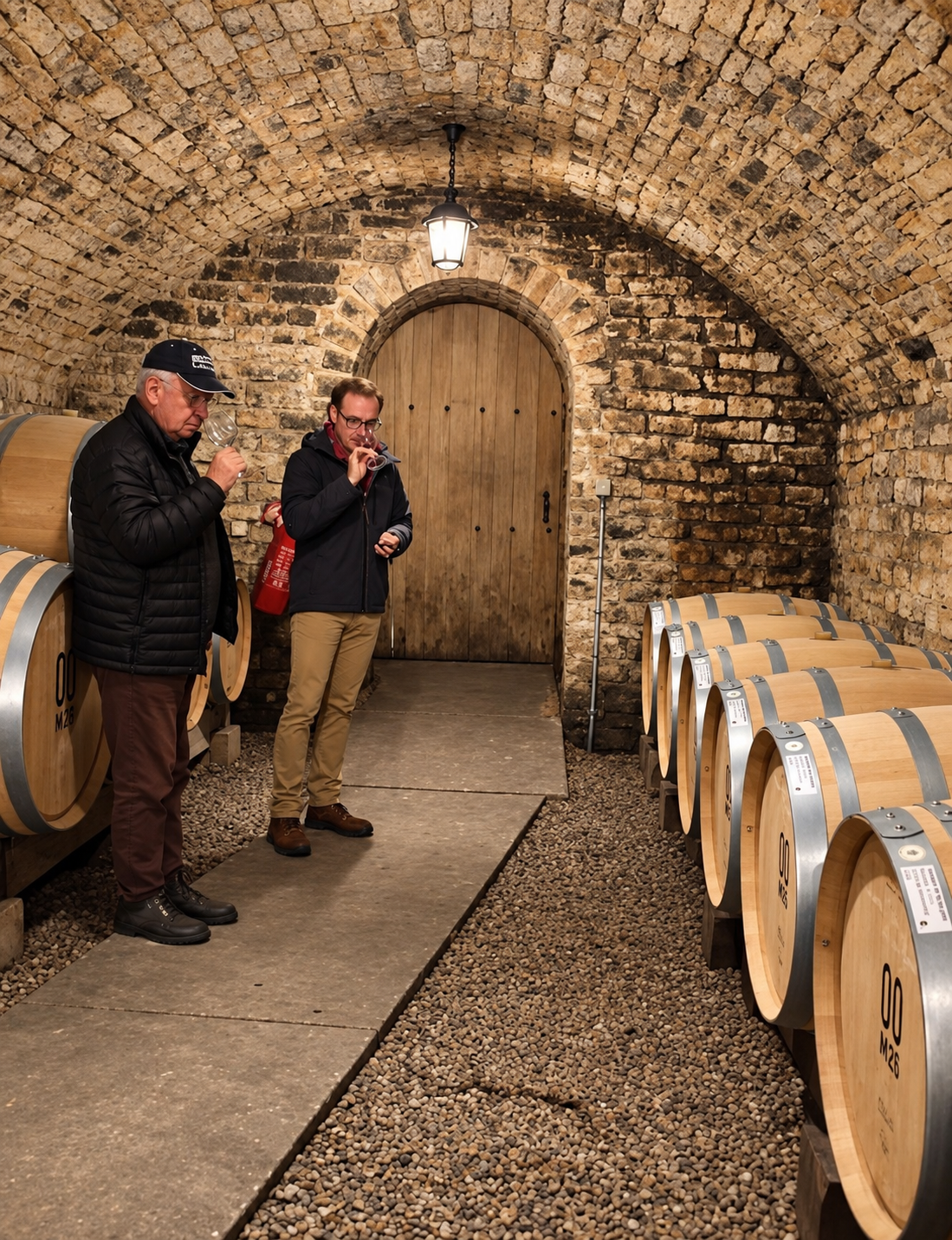
Chris grew up drinking Burgundy at his parents’ table in Oregon, and the pressing regime that became Black Chardonnay came out of Burgundian practice. There is a limit to what you can learn from bottles and books. He and Maxence Lecat, 00 Wines’ global director of winemaking, now make all seven wines on the ground here.
First vintage, one barrel of Corton-Charlemagne
Climats, each bottled on its own
The château where every Burgundy wine is made
The most argued-over ground in wine.
Burgundy is the only place that has been reading vineyard difference at this resolution for this long. The climats are small, named, and bounded by observation rather than theory — someone noticed, over generations, that this parcel behaves unlike the one beside it, and the map eventually caught up.
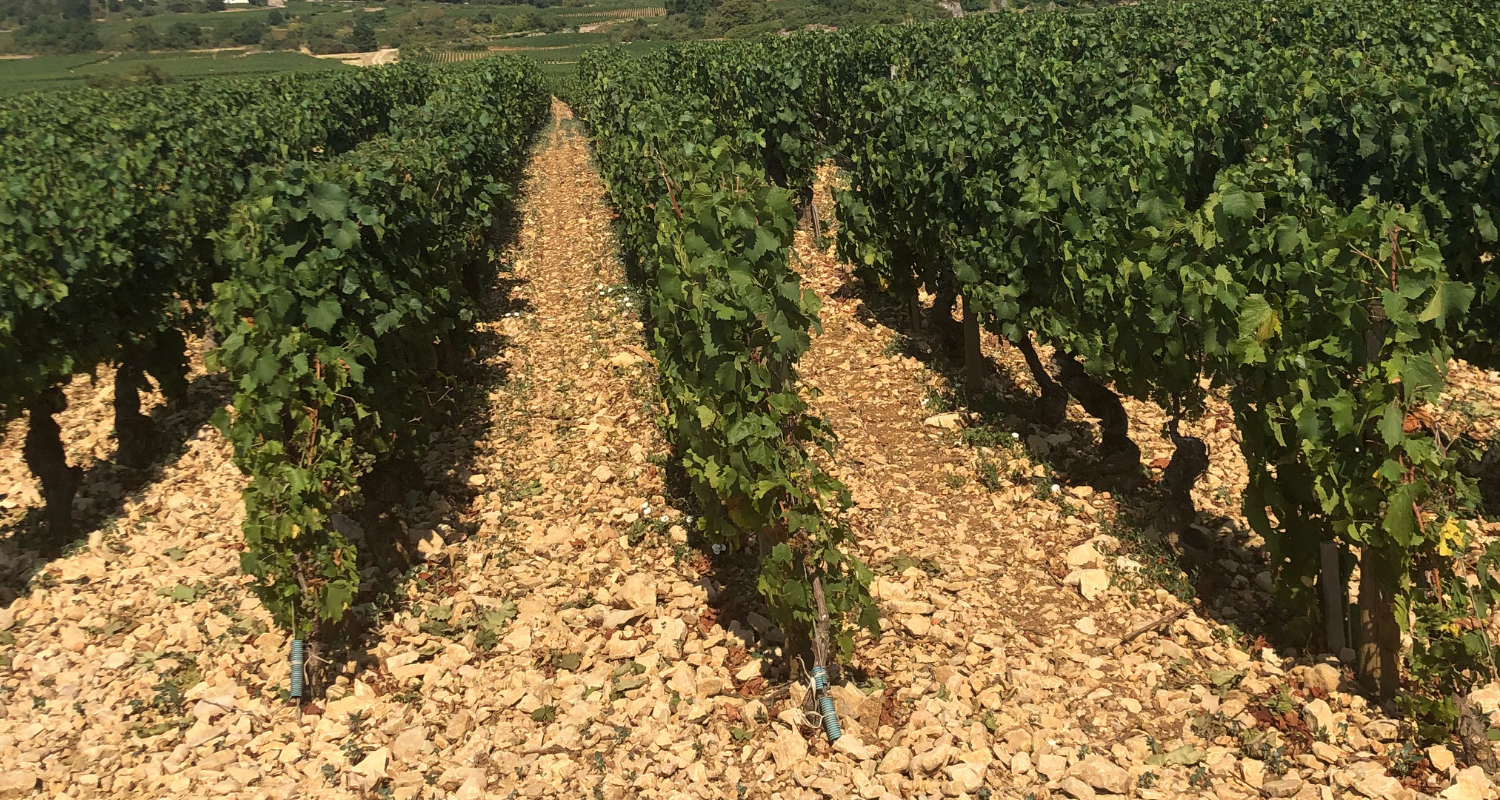
That resolution is what we came for. It sharpens everything: how we read a slope in the Eola-Amity Hills, when we pick, how much we intervene. The sites here are also unforgiving. Chambertin’s soils are thin enough that a wet year drains through them and a dry one bakes. There is very little margin, and no way to buy your way past it.
The exchange runs both ways. Techniques we developed in Oregon get tested here against wines with a thousand years of precedent, and some of them hold up. What we learn in the Côte d’Or goes back into the Oregon cellar the following September.
Tradition as a living practice.
Tradition in Burgundy is not a set of rules kept for their own sake. It is several centuries of accumulated observation, re-tested every September, and quietly amended when a vintage proves it wrong.
Chardonnay
What limestone does that basalt cannot.
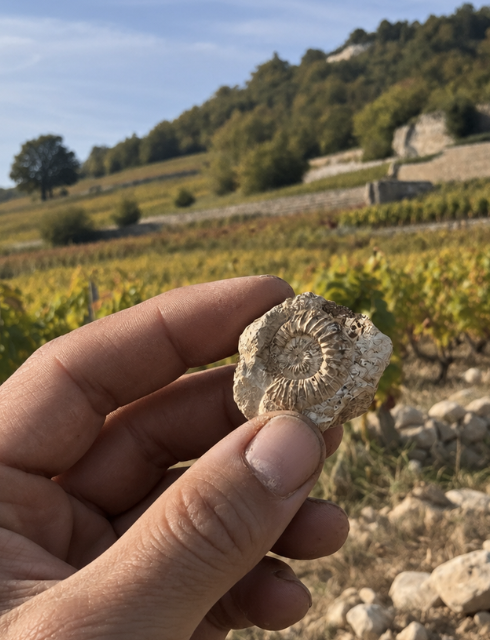
Corton-Charlemagne sits on the upper slope of the hill of Corton, on marl with a high active lime content — soil that stresses the vine, restricts vigour, and produces wines that close down for years before they say anything. Meursault Charmes, twenty minutes south, gives the opposite: breadth, weight, hazelnut, and orchard fruit on deeper Bathonian clay.
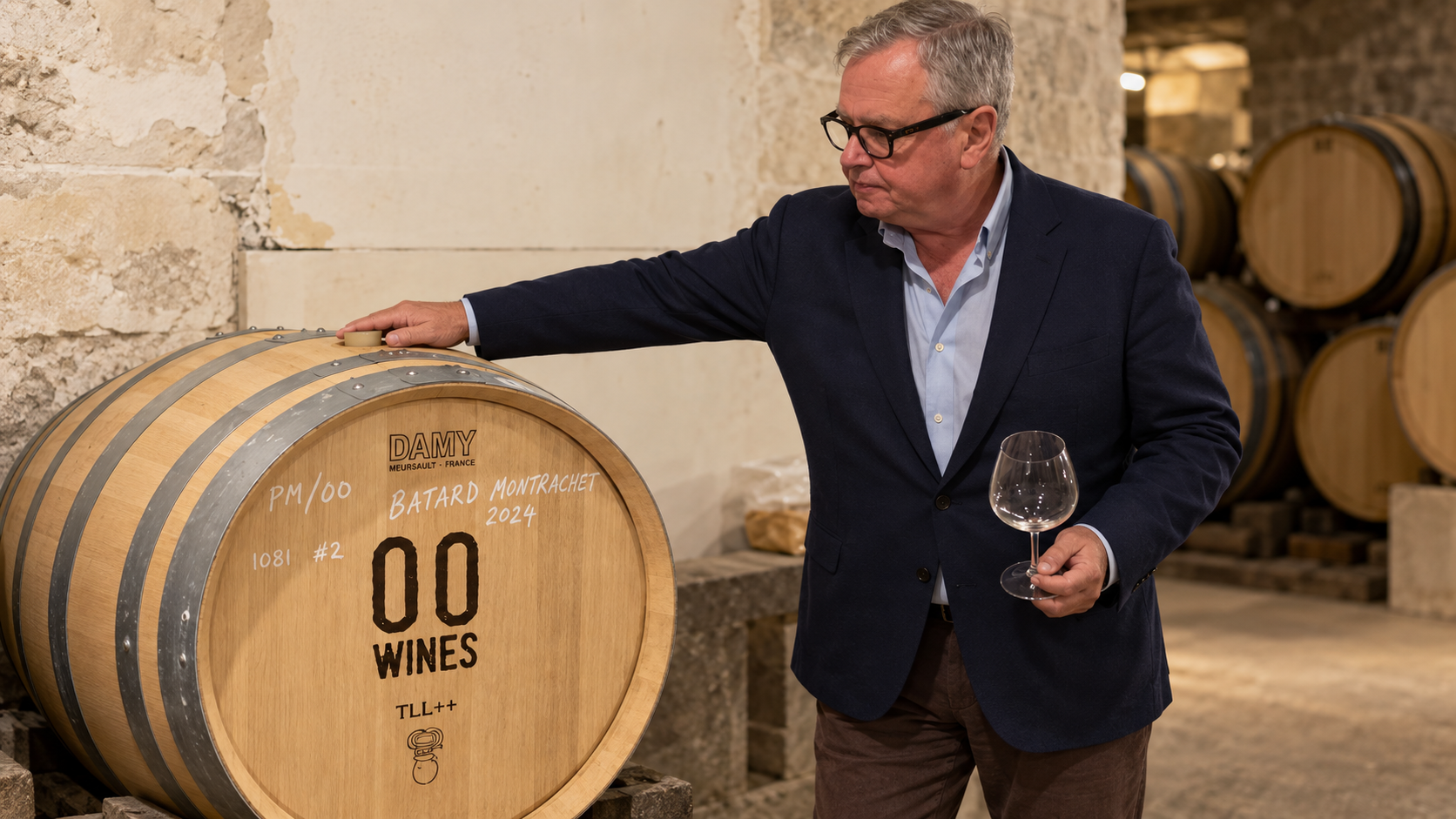
Bâtard-Montrachet joined the range with the 2024 vintage. In December 2025, Jasper Morris tasted it in bottle at Bligny — the first critic to do so — and scored it top of the appellation for the vintage, tied with Domaine Morey-Coffinet. For a first release from a grand cru, that is a considerable piece of luck and a considerable amount of pressure.
The common thread across all three is tension rather than richness. Limestone gives a kind of line and salinity that Oregon’s volcanic soils do not, and it is the single clearest lesson the Burgundy work has sent home.
Pinot Noir
Four climats, four arguments.
Chambertin holds the mid-slope of Gevrey on thin brown soil over fractured limestone, and it is the reason the village added the vineyard’s name to its own in 1847. Charmes-Chambertin sits just below it, where the gradient eases and the soil deepens, and gives perfume where its neighbour gives structure. The two are separated by a track.
In the Côte de Beaune, Les Cent Vignes on Beaune’s northern edge gives red fruit and silk on deeper clay-limestone. The Clos des Épenots is a walled enclosure of roughly five hectares inside Les Grands Épenots, on iron-rich soil that builds Pommard’s tannic frame — a firmer wine from finer ground than the appellation’s reputation implies.
None of them are blended together. The point of working here is that they do not taste alike, and the job in the cellar is to avoid smoothing that away.
The first outside opinion
The white wines are exceptionally impressive wines of very significant density underlaid by a thrilling mineral current.
Jasper Morris MW, Inside Burgundy
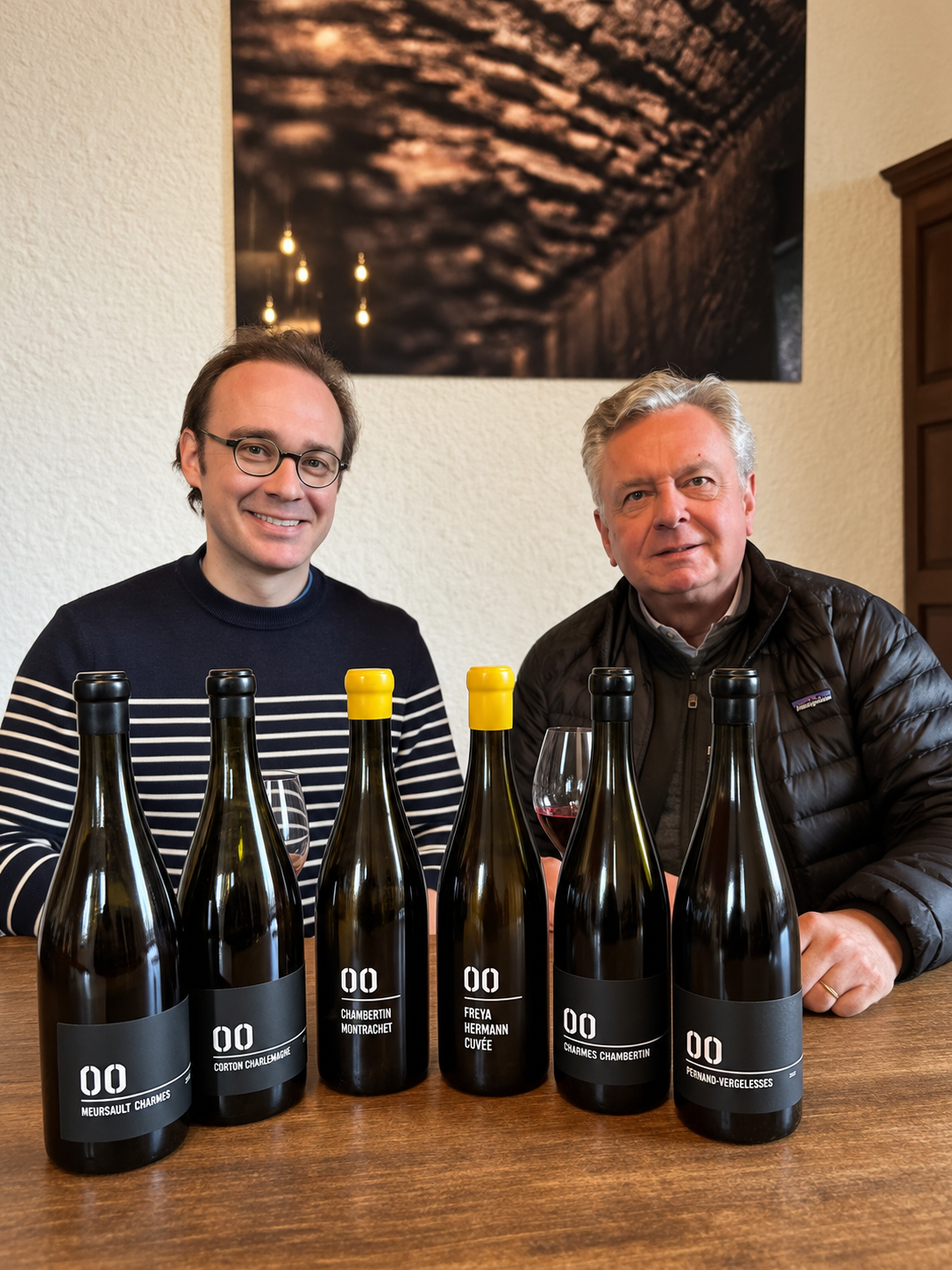
He came to Bligny in December 2025 and tasted the 2024 Bâtard-Montrachet in bottle, the first critic to do so, and scored it top of the appellation for the vintage, tied with Domaine Morey-Coffinet.
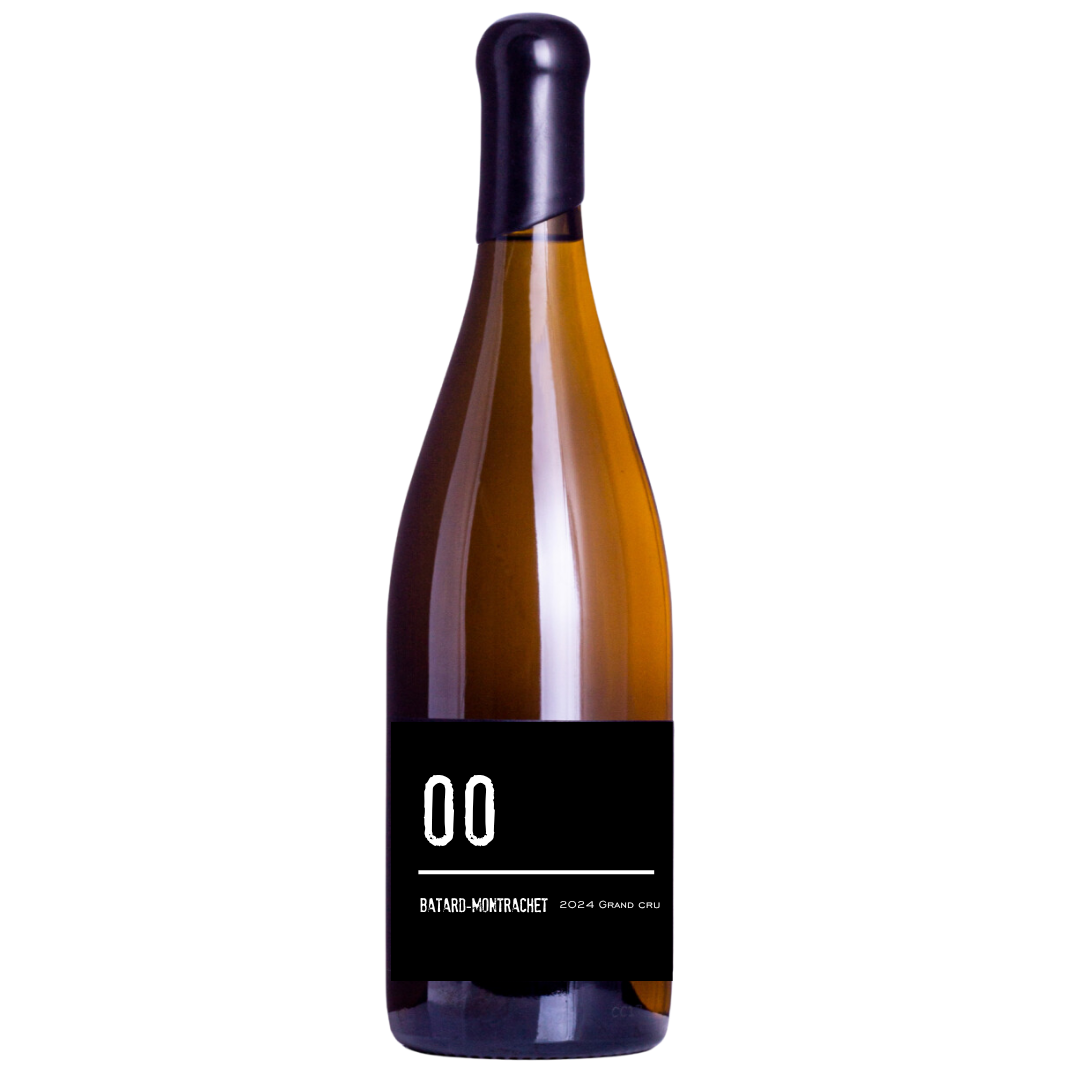
Featured wine
Bâtard-Montrachet
Below Le Montrachet, where the slope levels and the soil deepens. Our first release from the appellation, made in very small quantity in a vintage that gave up nothing easily.
2024 was the test.
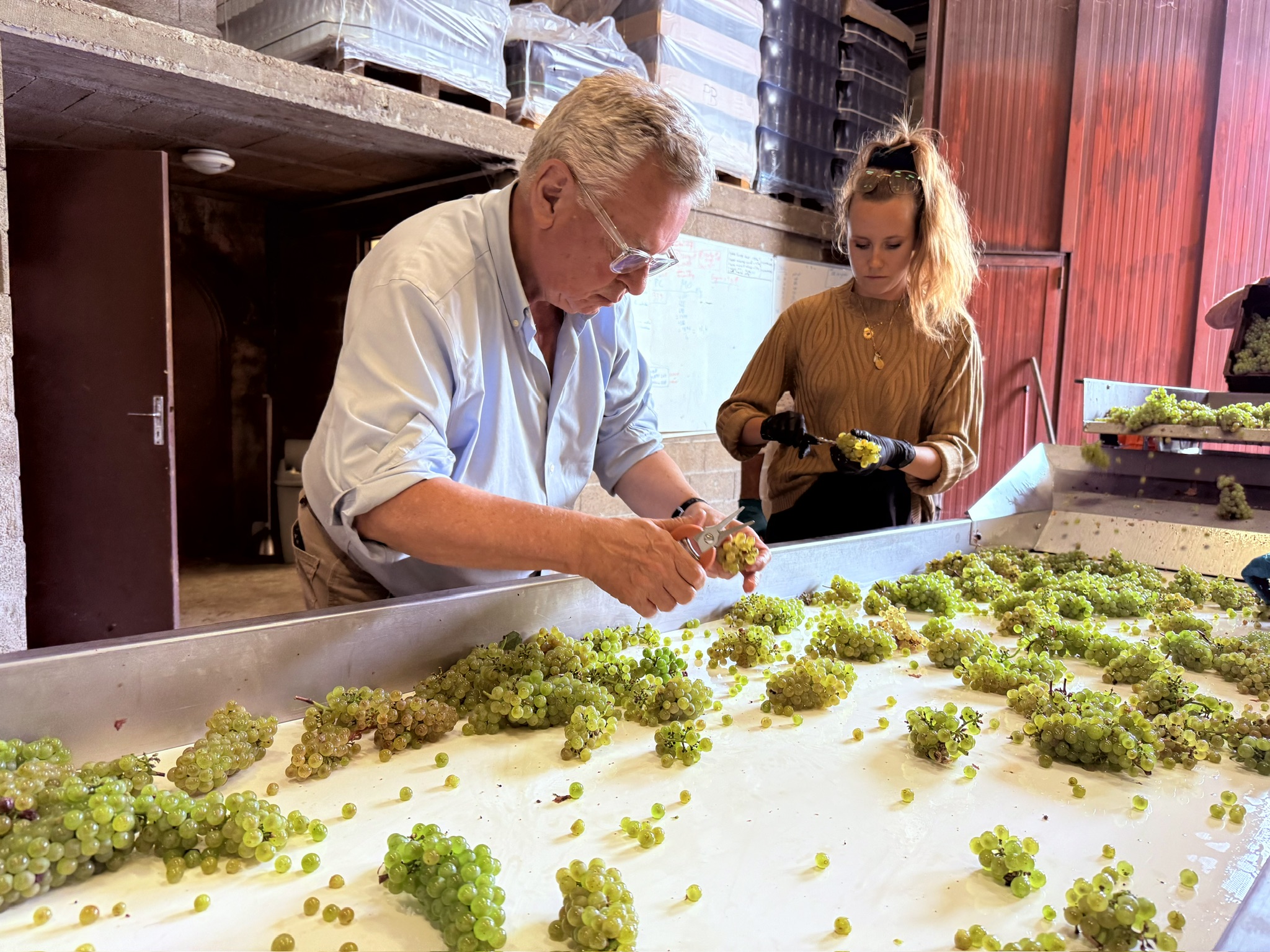
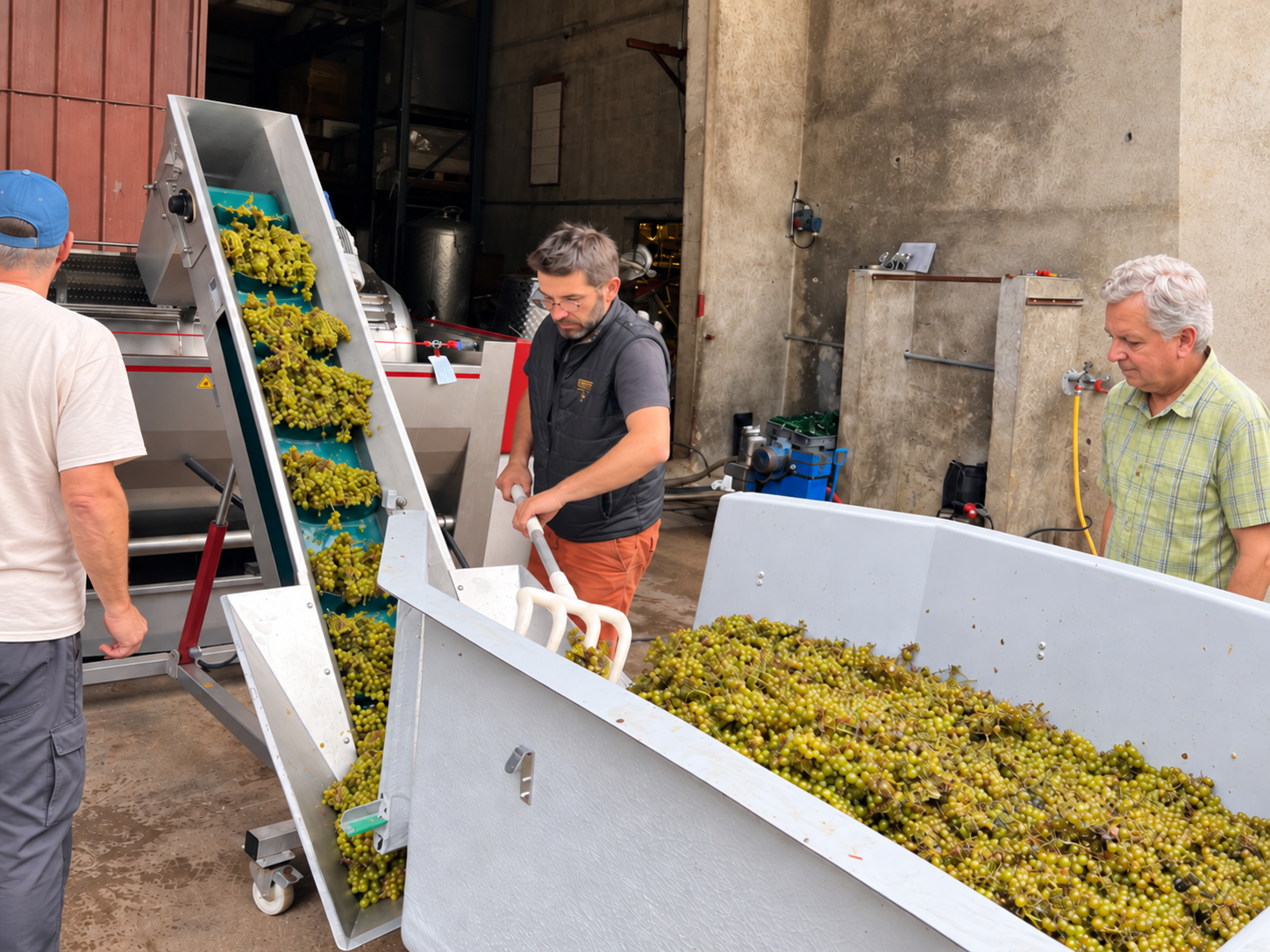
The cellar work here is deliberately restrained, and 2024 showed why that is harder than it sounds. Mildew arrived in May, before flowering. The rain barely stopped through August. Yields across Burgundy finished around a quarter below the previous year, and selection came down to removing individual berries by hand.
A season like that is decided in the cellar as much as the vineyard. Chris and Maxence took the wines through it with a set of choices that departed from routine wherever routine would not have served, and what came out is fresh, balanced, and finely textured, in very small quantity.
A difficult vintage in Burgundy teaches more in one year than a comfortable one teaches in five.

Burgundy is where the 00 Wines pursuit meets its oldest reference point.
Seven wines across the Côte de Nuits and the Côte de Beaune, a château at Bligny, and a set of questions that get harder every year.